

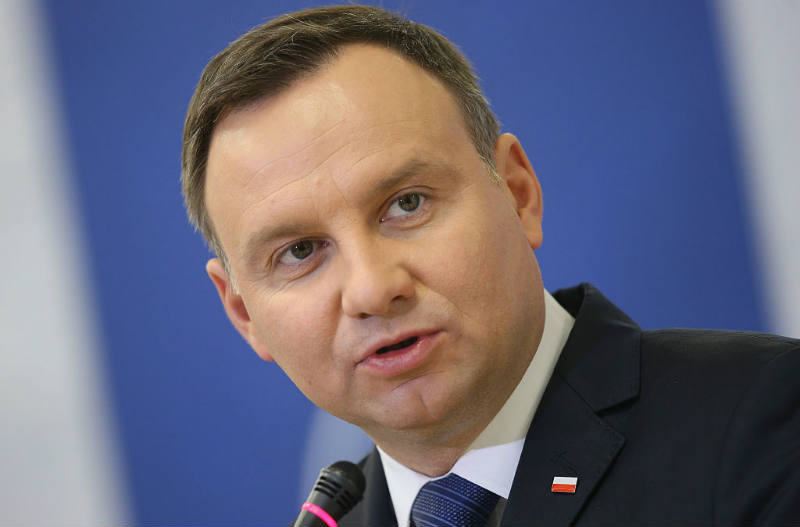

Poland's President Andrzej Duda has signed into law controversial changes to education, while opponents of the reform have announced protests and a possible referendum.
Under the new law, as of 1 September, students will attend eight years of primary school and four years of high-school or five years of vocational school. There will be no further enrollments to middle schools, which will be phased out.
This will replace a system of six-year primary school, three-year middle school and three-year high school.
“After many consultations, discussions and considering many standpoints for and against, I decided to sign the education reform,” Duda said, adding that the changes are “necessary” and should be implemented as quickly as possible.
However, the Polish Teacher's Association said that it is "disappointed” by Duda's decision, adding that the president had earlier sympathised with their concerns over the fast pace at which the reform was drawn up.
The association, which has already organized a number of strikes against the changes, has announced that it will conduct further protests and try to initiate a referendum on the issue.
Last year, thousands of teachers and parents took to the streets in protest amid concerns that a new curriculum had not been set and fears that the reform could see some 37,000 teachers lose their jobs.
However, Polish Prime Minister Beata Szydło said on Monday that the reform could see some 5,000 new teaching jobs created. She has in the past promised that no teachers would be out of work because of the changes.